News Break
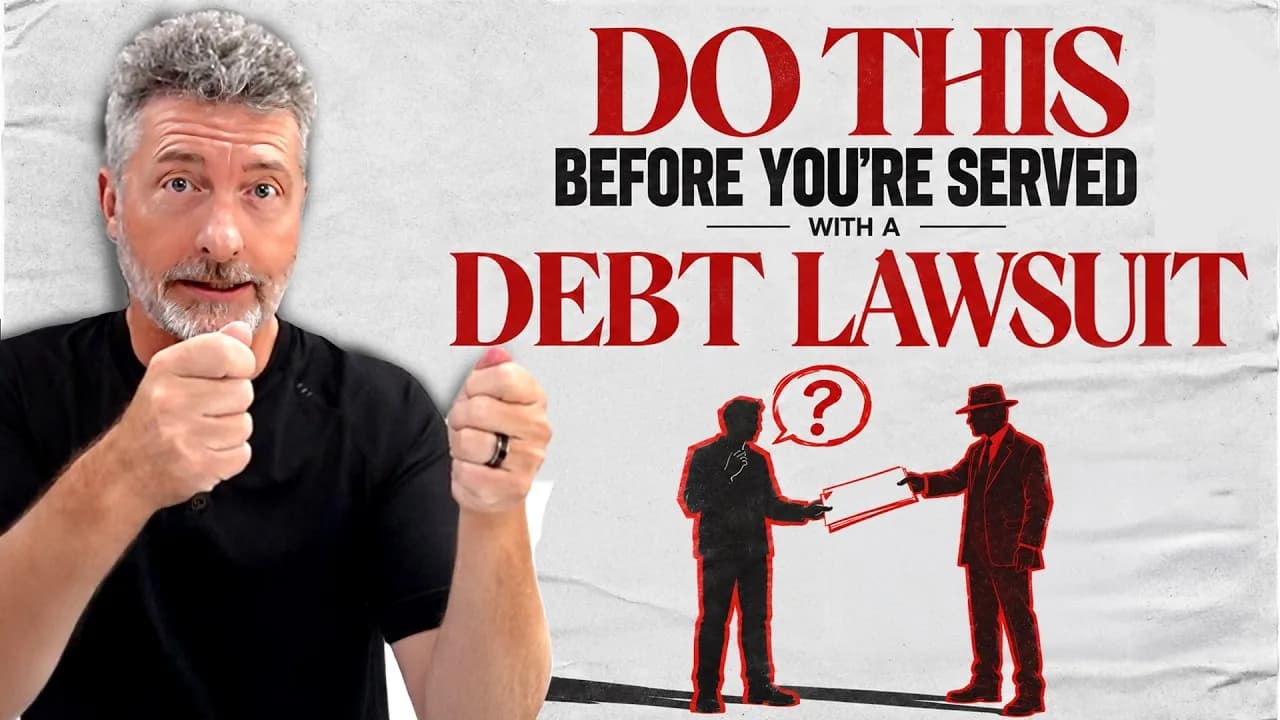
Do This Before You're Served With a Debt Lawsuit: The Process Server Playbook
September 18, 2026
Blog / Success Stories
A member fought two LVNV Funding lawsuits pro se: one settled far below the demand, one dismissed when LVNV stopped showing up. Brian asks him how.
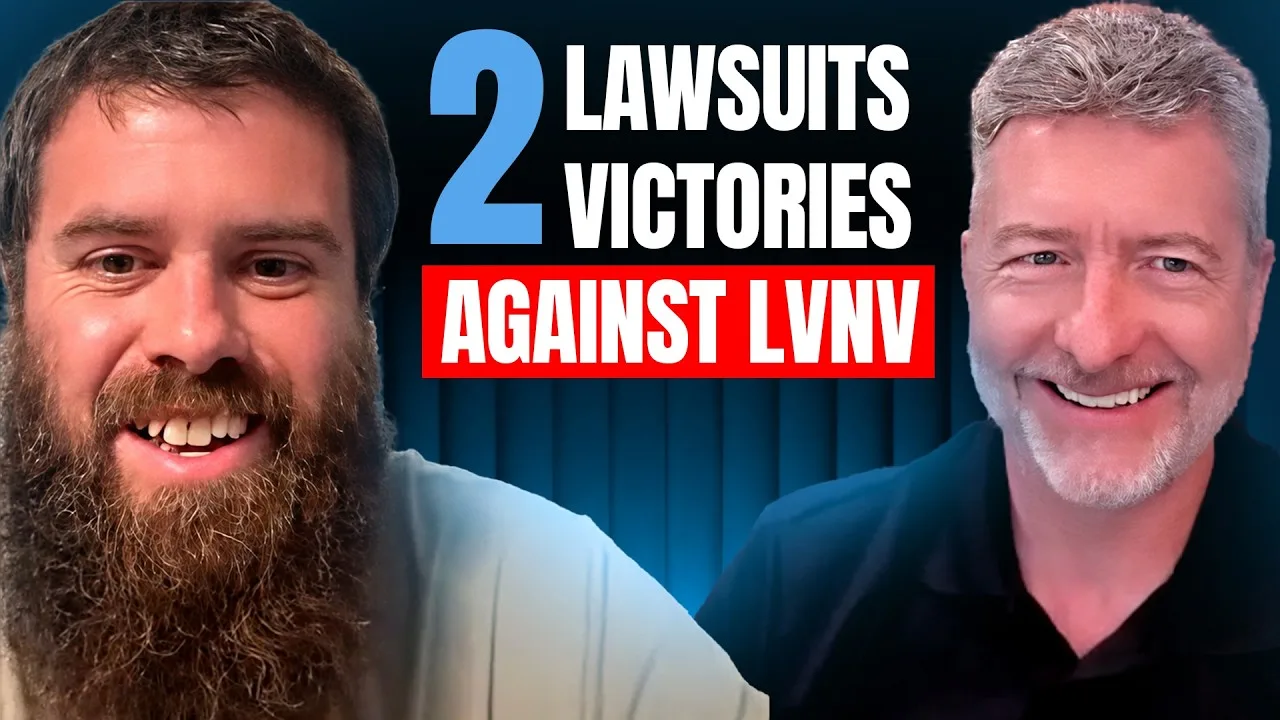
Scott is a service technician from Massachusetts who tests jaws-of-life rigs for fire departments. In 2025, LVNV Funding, the most prolific filer of debt lawsuits in the country, sued him twice, two months apart. In this interview with Brian, he walks through the whole year that followed: how one case ended settled at less than half the demand, how the other ended dismissed with LVNV not even in the room, and exactly what he did between the sheriff's knock and those endings.
Key Takeaways
- Both wins started with reading. LVNV's own attachment proved Scott's loan was not the promissory note its complaint claimed, and the judge made them amend.
- The collector's greatest strength is the fear in the first week. Once Scott answered and started filing, the leverage moved to his side of the room.
- They ignored his discovery for a year. He filed a motion to compel in open court, and settlement talk started in the hallway minutes later.
- One case settled at $8,000 against a near-$20,000 grouped demand. The other he refused to settle, and it was dismissed.
The first serve came in May 2025 while Scott was on vacation; his doorbell camera alerted him to the sheriff at the front door. The second, in July, was handed to him in person. Neither surprised him. The texts from Resurgent, the servicer that runs LVNV's collection machinery, had been arriving for a while, and he admits he spent that stretch hoping it would go away. It did not, and the court combined both cases in front of the same judge for scheduling.
His first answer was the bare admit-and-deny form most people file in a panic, the plain-Jane answer that scares nobody. Then he started researching who LVNV was, found KillDebt, and rebuilt his defense from there.
At the first hearing, the question from the bench was the usual one: do you dispute this debt, and can it be resolved today? Scott's answer: I'm here to fight, I don't believe I owe this, and they will have to prove it.
The coverage attorney covering LVNV's file that day was banking on a no-show and a quick default, which is how most of the docket went; from what Scott watched in that courtroom, the overwhelming majority of defendants simply never appeared. Facing an actual opponent, the coverage attorney asked for another hearing and discovery. From the second hearing on, LVNV put its real litigation attorney on the case.
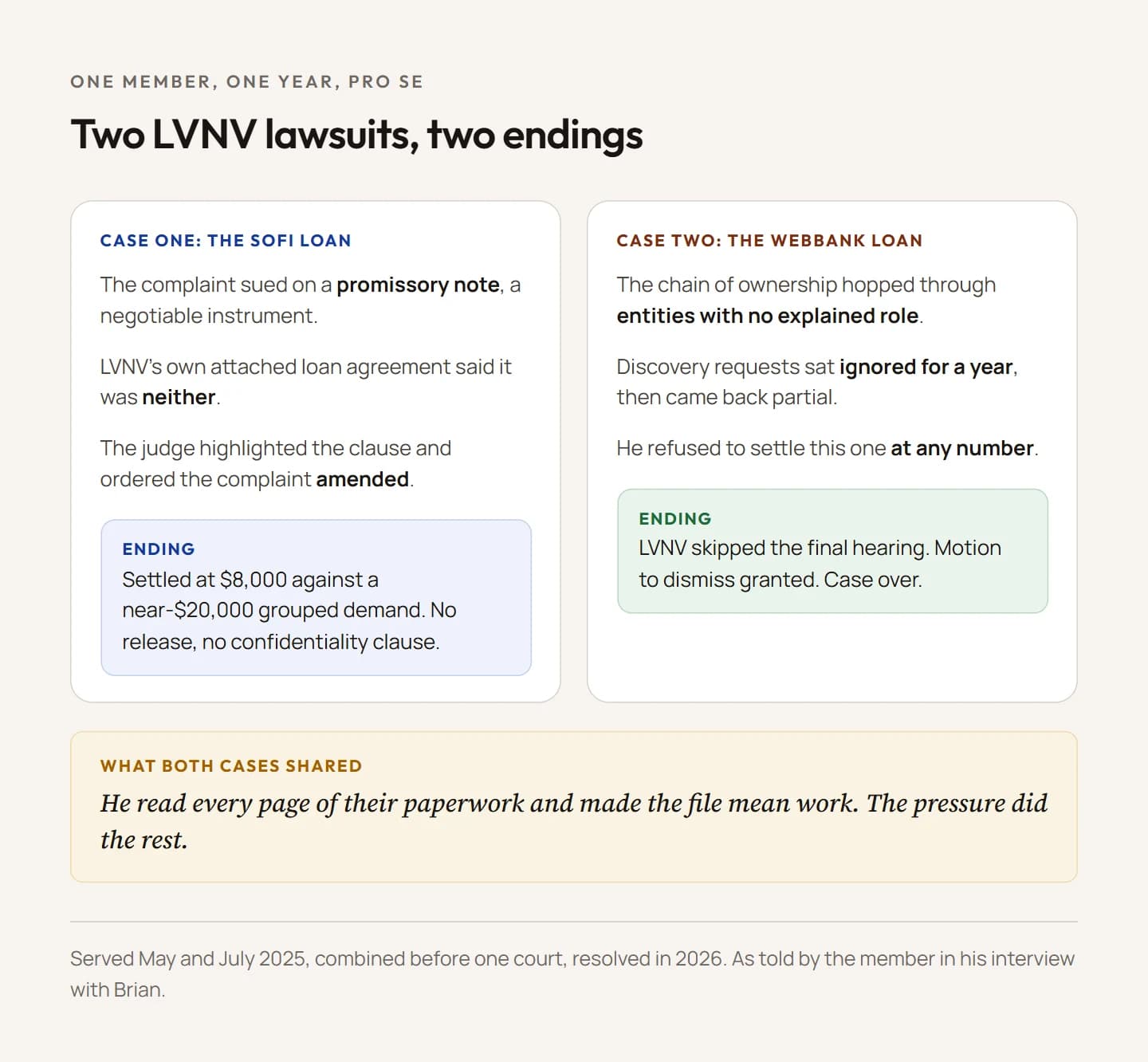
Scott is an engineer by training, and he read the SoFi complaint the way he reads a schematic. Page one claimed the debt rode on a promissory note, a negotiable instrument. The loan agreement LVNV attached to its own filing said, in his telling, exactly the opposite: not a promissory note, not a negotiable instrument.
He put that contradiction in front of the court. The judge highlighted the clause for both sides, told LVNV it could not sue on a note that its own exhibit said did not exist, and put the choice to Scott: oppose the amendment or allow it. He let them amend. As he puts it, they still had nothing. The lesson Brian wants every viewer to take: their filings are mass-produced, built for the defendant who never reads them, and one careful reader puts a tear in the whole file.
The WebBank case made him laugh out loud. The complaint named WebBank as original creditor, but the loan ran through Prosper Marketplace, then hopped through a credit union and another entity that had no explained business being there. A chain of title that cannot hold its own story together is a defense in itself, and Scott refused from the start to settle that case at any number.
He never had to. LVNV skipped the final hearing, the judge granted his motion to dismiss, and the case was over with nobody on the other side of the room.
LVNV ignored the discovery requests Scott served in 2025 until June 2026, then dumped a partial production of only what it absolutely had to answer. His requests to admit went past their deadline without response; enforcement, he found, came down to judicial discretion, and across the year his combined cases passed through four judges of varying patience. One of them, once warmed up, invited him to submit proposed orders, and then followed them.
Scott kept filing: motions, oppositions, a summary judgment motion he now says should have been a motion to dismiss, and finally a motion to compel filed in open court, the same way LVNV files its own papers. Walking out of that hearing, the coverage attorney caught up to him: now would be a great time to try and settle. LVNV wanted to group both cases at almost $20,000, then offered to take a little over $12,000. Scott settled the SoFi case alone, at $8,000, signed no release and no confidentiality clause, and let the WebBank case ride to its dismissal. The clerk's office knew him by name by then; the clerk told him she had never seen that level of work from a pro se defendant.
His advice to the next person holding an LVNV summons, straight from the interview: read the entire complaint, front to back, multiple times, and check whether what they claim is even remotely true. Write a real answer from the beginning, not admit-deny-admit-deny. Show up, whatever the outcome. Say the right things and nothing more. And give them work to do, because the file that means work is the file that gets resolved.
Scott ran nearly the whole year with ParkerGPT at his side, feeding it each hearing's developments and pulling motions back out, and with his permission Brian is putting his filings into its brain for the next member standing where he stood. His wife's verdict on the whole saga was that he should help the people he watched flounder in that courtroom. In a sense, he just did.

About the author
Brian Parker
I have over 30 years of experience defending consumers against debt collection lawsuits and have seen every tactic, threat, and pressure play that collectors use. Through KillDebt and ParkerGPT, I have systematized the proven defense strategies that actually work - so consumers can respond from a position of knowledge, not fear. My approach focuses on aggressive legal defense based on documented case success rather than false hope that leads to default judgments.