News Break
From Parker GPT to Solo Apps: Top Legal Tech Debt Tools Reviewed
July 27, 2026
Blog / News Break
Stop guarantor debt collection now! Learn rights, defenses, FDCPA disputes & steps to end liability as a guarantor.
Guarantor debt collection stop is possible, and you have real legal tools to make it happen.
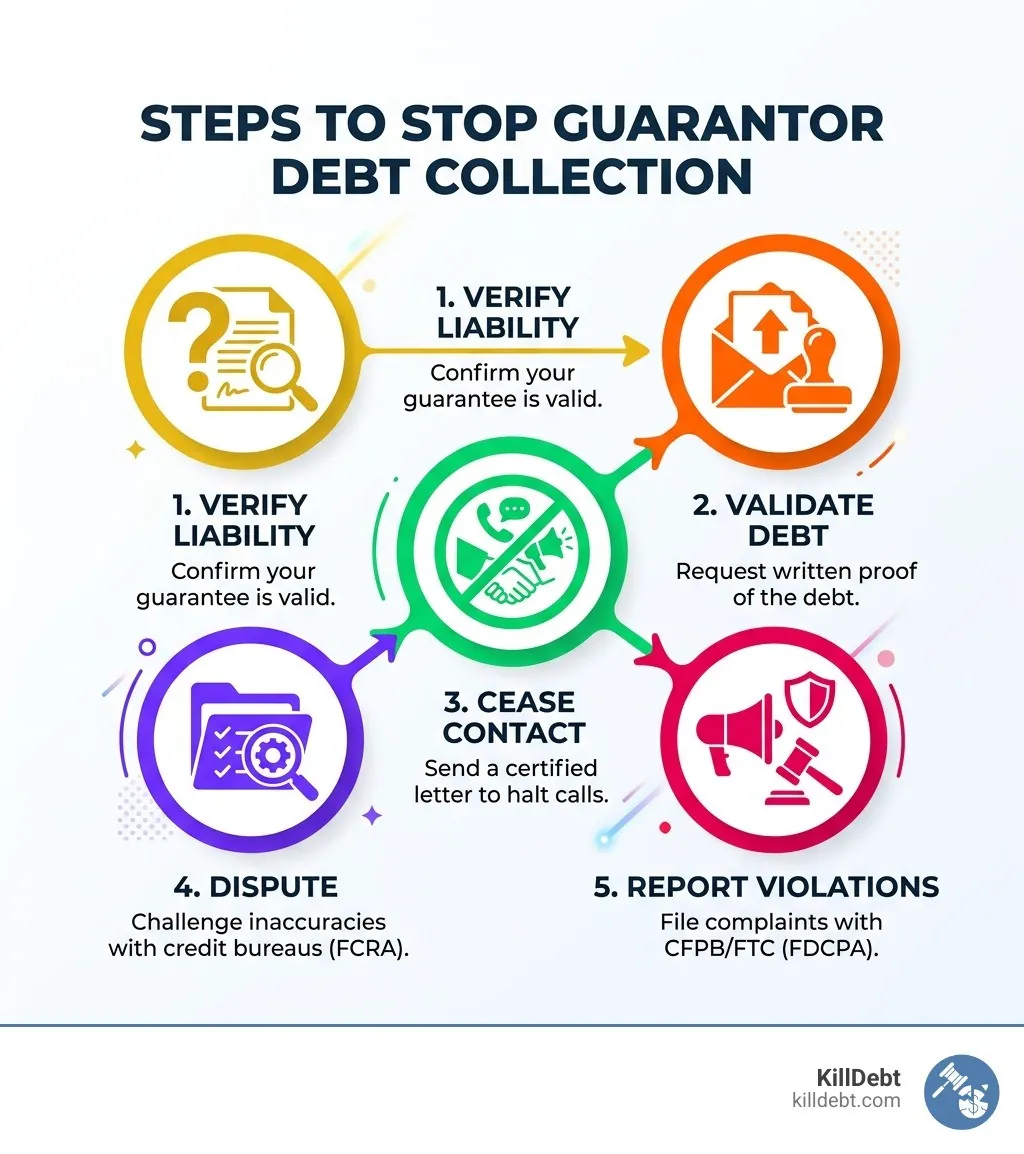
If debt collectors are contacting you about someone else's debt, here are the key steps to stop them:
Here's a situation that plays out more often than most people realize.
A parent co-signs a lease for their college-age child. The child moves out after year one. The apartment complex renews the lease directly with the tenant — but never updates their records. Two years later, the parent starts getting debt collection calls for unpaid rent they were never legally responsible for.
This is not a rare edge case. It happens constantly.
Being a guarantor means you promised to cover someone else's debt if they couldn't. But that promise has limits — legal limits that debt collectors often ignore, whether out of carelessness or deliberate pressure.
The good news: you have rights, and federal laws like the Fair Debt Collection Practices Act (FDCPA) and the Fair Credit Reporting Act (FCRA) carry real penalties for collectors who cross the line.
This guide walks you through exactly how to stop unfair debt collection as a guarantor — step by step, without needing an expensive attorney.
When you sign on as a guarantor, you are accepting "secondary liability." This means the creditor should generally look to the primary borrower first. However, in the eyes of many collectors, a guarantor is just another deep pocket to pick. To achieve a guarantor debt collection stop, you must first understand that your liability is not infinite. It is strictly defined by the contract you signed and the laws of your state, such as Florida or Michigan.
If a borrower defaults, it triggers the creditor's right to pursue you, but they must follow specific rules. If they start harrassing you before the borrower has even missed a payment, or if they use deceptive tactics, they are likely violating the law. You can learn more about identifying these red flags in our guide on Debt Collector Harassment Stop.

Your journey as a guarantor doesn't start with a handshake; it starts with a pen and paper. Under the Statute of Frauds, a guarantee agreement must be in writing to be enforceable. If a collector claims you "verbally agreed" to cover your cousin's car loan, they are likely blowing smoke.
Furthermore, for a guarantee to be valid, there must be "consideration"—meaning something of value was exchanged. In many cases, if you sign the guarantee after the loan or lease has already started, the agreement might need to be executed as a "deed" to be legally binding because the original consideration (the loan money or the keys to the apartment) has already been given. Until the primary debtor actually defaults and the creditor makes a formal demand, your liability is merely "contingent." It hasn't "crystallized" into a debt you actually owe yet. You can find more details on these requirements at Guarantors | Consumer Protection (opens in a new tab).
One of the most effective ways to trigger a guarantor debt collection stop is to prove that your obligation has already expired. Many people assume that once they sign a guarantee, they are on the hook forever. That is rarely the case.
Guarantees typically end when:
If you are Struggling with Debt Collectors over an old debt, your first move should be to dig up the original contract and look for an expiration date.
This is a massive "gotcha" in the rental world. In states like Florida and Michigan, if a tenant signs a new lease or an amendment after the first year, the original guarantor is often legally released from their obligation. However, large apartment corporations are notorious for "lazy record-keeping." They keep the old guarantor's name in the system and sell the "debt" to a collector the moment the tenant misses a payment three years later.
As noted in research regarding Apartment Lease Guarantor Expiration & Debt Issue | Maginnis (opens in a new tab), this failure to update records leads to thousands of unlawful collection attempts every year.
Reasons a Guarantee Typically Expires:
If the collector won't go away quietly, it’s time to use the law as your shield. There are several powerful federal and state-level defenses you can deploy.
First, check if you were served a proper default notice. In many jurisdictions, a creditor cannot enforce a guarantee until they have provided a formal notice of default to both the borrower and the guarantor, often allowing a 14-day remedy period. If they skipped this step, their collection efforts might be premature and illegal.
The Fair Debt Collection Practices Act (FDCPA) is your best friend. It prohibits collectors from:
Under the FDCPA, you have a 30-day window from the first contact to dispute the debt. Once you send a dispute, the collector must stop all collection activity until they provide verification. For a deep dive into this process, see our article on Debt Validation Letters: Your First Line of Defense Against Collectors. You can also find more about your rights on the Debt Collection FAQs | Consumer Advice (opens in a new tab) page.
Don't wait for them to sue you. Take the offensive:
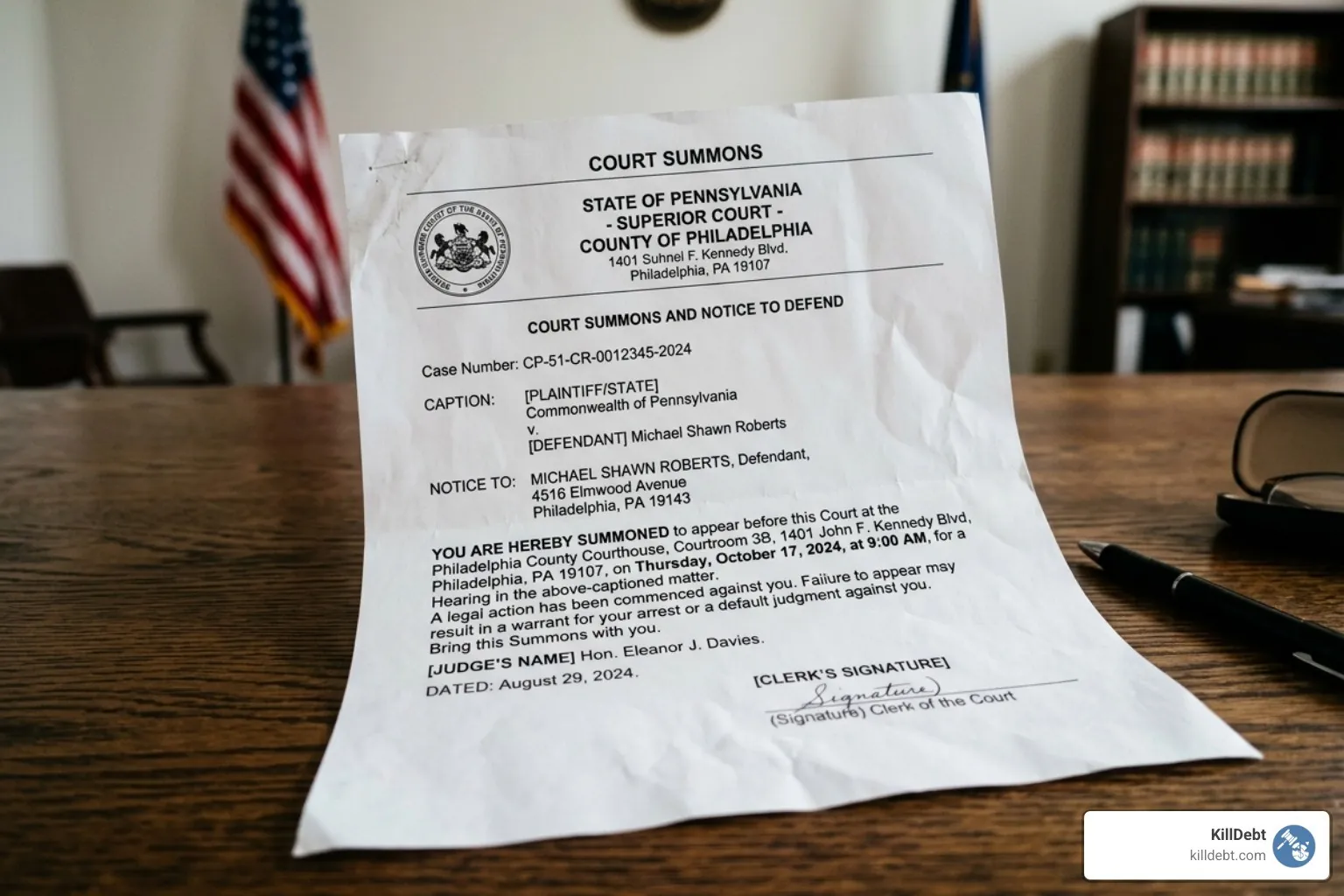
If the situation escalates to a lawsuit, don't panic. Following a What to Do When Sued by a Debt Collector: Complete First Steps Guide can save your bank account from garnishment.
While the term "guarantor" is used in both worlds, the rules can vary significantly between a car loan and an apartment lease.
| Feature | Rental Lease Guaranty | Loan/Credit Guaranty |
|---|---|---|
| Scope | Often covers rent + property damage | Covers principal + interest + fees |
| Duration | Usually tied to the lease term | Usually lasts until the loan is $0 |
| Renewal | Often expires upon lease renewal | May cover "all future advances" |
| Consumer Law | Governed by Landlord-Tenant & Contract Law | Governed by CCA/FDCPA & Banking Law |
In rental cases, you might be able to challenge the debt if the landlord failed to protect the tenant's deposit or if the property was in a state of disrepair. These "tenant defenses" can often be used by the guarantor to reduce or eliminate the debt. More on this can be found at Challenging a tenancy guarantee debt - Shelter England (opens in a new tab).
Was the guarantee buried in a 50-page document? Were you pressured into signing it in a hallway? You may have a defense based on "undue influence" or "unfair contract terms." If a clause says you are liable for "any extension or variation" of the lease forever, a court might find that term unconscionable and unenforceable. Always check if the landlord followed the "pre-action protocol," which usually requires a formal letter of claim before they can drag you to court.
This is where things get tricky. Many people believe that if the primary borrower files for bankruptcy, the guarantor is safe. This is a dangerous myth.
In a Chapter 7 bankruptcy, the borrower’s liability is discharged, but the guarantor’s is not. The creditor can—and often will—pivot 100% of their collection efforts toward you the moment the borrower files. The "automatic stay" that protects the borrower does not automatically protect the co-signer or guarantor.
If you are a guarantor in a Chapter 13 case, you might get a "co-debtor stay," which protects you while the borrower is making payments under their plan. However, this only applies to consumer debts, not business debts.
Furthermore, landlords sometimes try to claim "administrative priority" for rent in bankruptcy cases. However, courts (especially in complex commercial cases) have ruled that a guarantee is a separate contract. If the guarantor is the one in bankruptcy, the landlord might just be another "general unsecured creditor," meaning they are at the back of the line for payment. If you've been caught in this crossfire, check out our guide: Have You Been Sued by a Debt Collector.
Dealing with debt collectors as a guarantor can feel like being punished for someone else's mistake. But remember: you have the power to force a guarantor debt collection stop. By verifying your liability, demanding validation, and understanding the specific laws in Florida and Michigan, you can protect your credit and your savings.
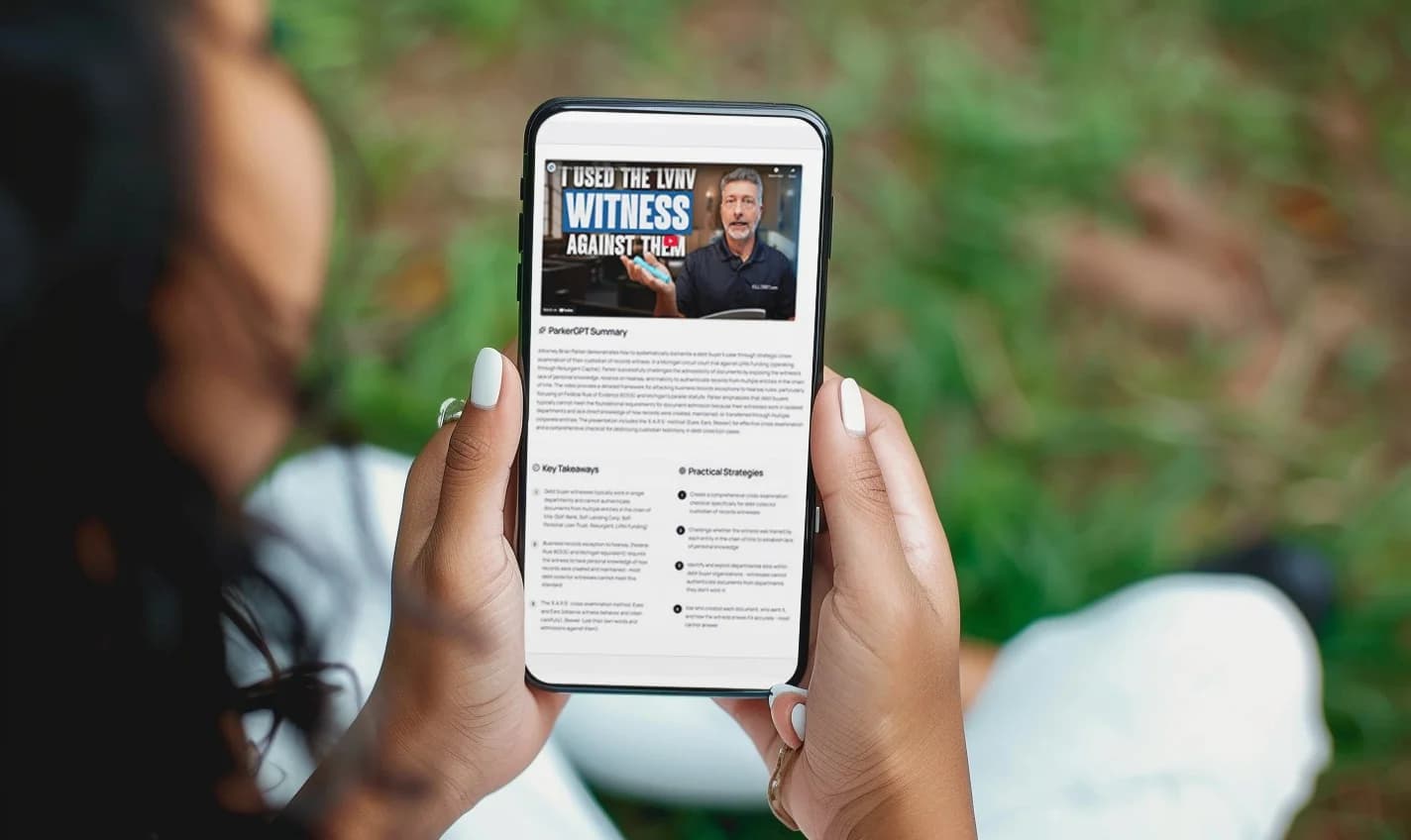
At KillDebt, we believe you shouldn't have to spend thousands on a lawyer to defend your rights. Our DIY legal defense system is powered by ParkerGPT, an AI trained on real-world court strategies and consumer debt law. Whether you need to analyze a confusing lawsuit filing or generate a court-ready response, ParkerGPT provides the expertise of a 30-year veteran attorney at a fraction of the cost.
Ready to see how your case holds up? Try our Court Tester. It’s an AI courtroom simulation where you can upload your actual filings and argue your motion in front of an AI judge before you ever step foot in a real courthouse. Don't let debt collectors intimidate you—arm yourself with the best tech in the business.
Start your defense today at KillDebt.com
Get started with KillDebt pricing
Important Legal Disclaimer
This educational content is based on general legal principles and my experience in debt collection defense. It is provided for informational purposes only and does not constitute legal advice. Laws vary by state and by local court. For specific legal advice, consult a qualified attorney licensed in your jurisdiction. No attorney-client relationship is created by reading this guide.
Critical Multi-State Variations: FDCPA applies uniformly at the federal level, but state consumer protection laws may provide additional rights and remedies. Statute of limitations periods vary significantly by state and debt type. What constitutes sufficient debt validation varies in practice across jurisdictions. State-specific rules on call frequency, written notice requirements, and permissible collector conduct may differ from federal minimums.

About the author
Brian Parker
I have over 30 years of experience defending consumers against debt collection lawsuits and have seen every tactic, threat, and pressure play that collectors use. Through KillDebt and ParkerGPT, I have systematized the proven defense strategies that actually work - so consumers can respond from a position of knowledge, not fear. My approach focuses on aggressive legal defense based on documented case success rather than false hope that leads to default judgments.