News Break
Sued by a Debt Collector? Here is How to Fight Back and Win
July 27, 2026
Blog / News Break
Download your sample letter to remove collection from credit report PDF. Learn FDCPA/FCRA rights, dispute steps & remove collections fast!
A sample letter to remove collection from credit report pdf is a written request you send to a debt collector or credit bureau asking them to delete a collection account from your credit history — and it's one of the most powerful DIY tools you have.
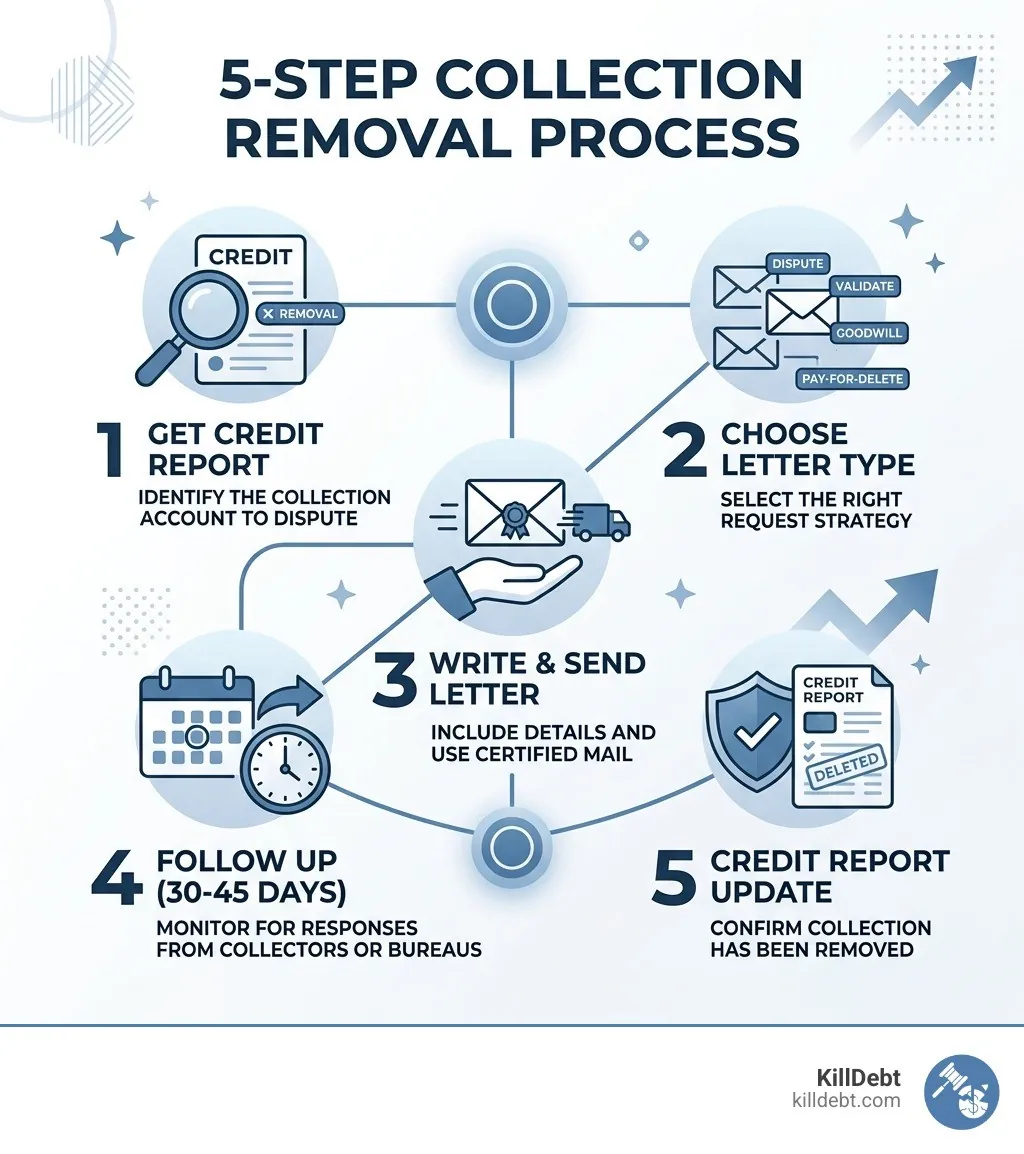
Here's a quick breakdown of how it works:
These letters work because federal law requires collectors and credit bureaus to respond. Under the Fair Credit Reporting Act (FCRA), credit bureaus must investigate disputes within 30 days. Under the Fair Debt Collection Practices Act (FDCPA), collectors must stop collection activity on a disputed debt until they verify it.
The stakes are real. A single collection account can drop your credit score by 100 points or more — making it harder to rent an apartment, get a loan, or even land a job. And yet, many collections sitting on credit reports contain errors, outdated information, or debts that simply can't be verified.
One real-world example: a consumer disputed an old medical bill past its statute of limitations, attached a simple timeline as proof, and saw their score jump 50 points after the collection was removed.
You don't need a lawyer to do this. You just need the right letter — and to know exactly how to use it.
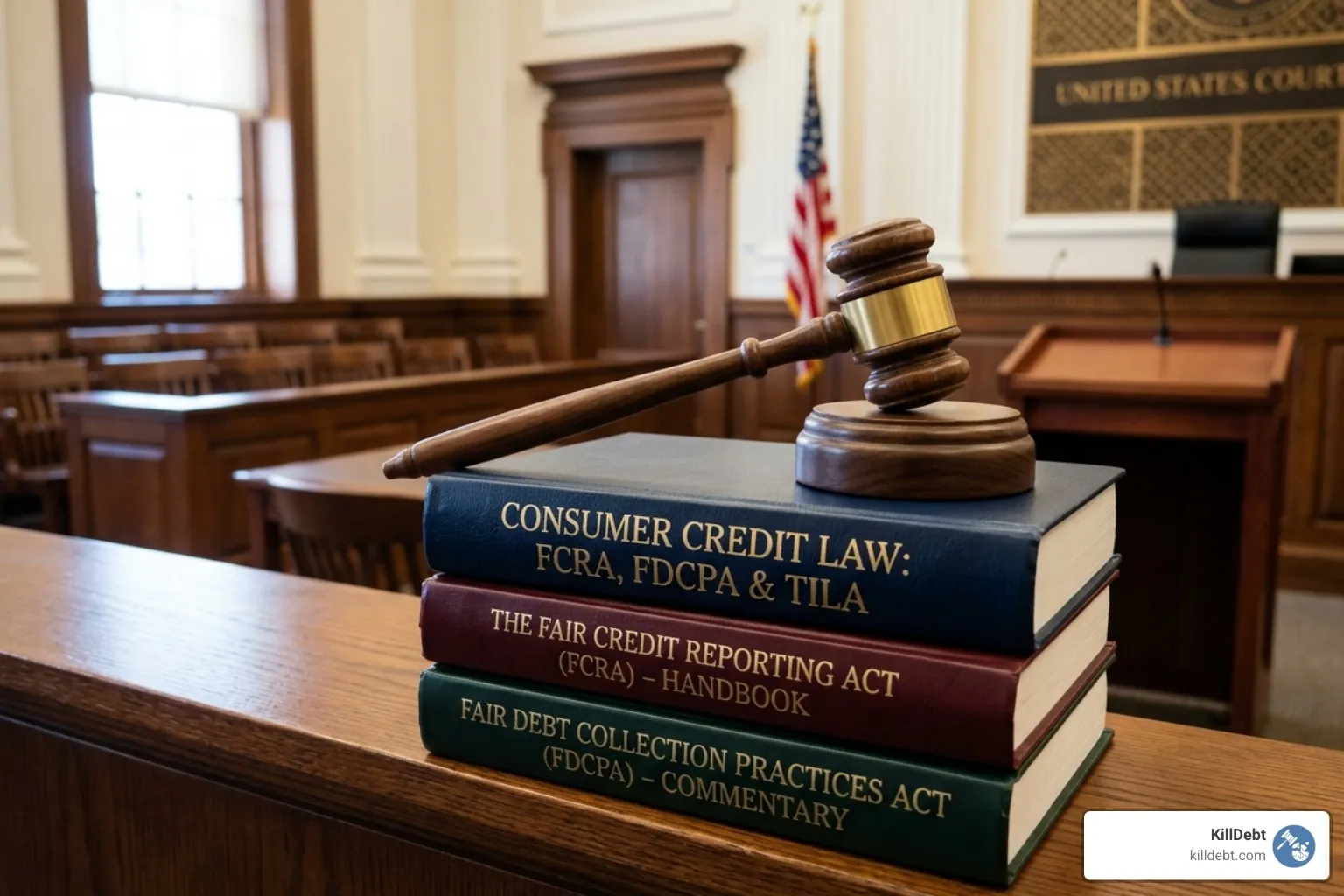
When we talk about removing a collection, we aren't just asking for a favor. We are exercising legal rights granted by the federal government. In Florida and Michigan, as in the rest of the U.S., two primary laws protect you: the Fair Debt Collection Practices Act (FDCPA) and the Fair Credit Reporting Act (FCRA).
The FDCPA is your shield against aggressive collectors. It mandates that if you dispute a debt in writing within 30 days of the first contact, the collector must stop all collection activities until they provide verification of the debt. If they can’t prove you owe it, they shouldn't be hounding you for it.
The FCRA is your tool for accuracy. It dictates how information is reported. Under Section 1681s-2, furnishers (the companies reporting the debt) are prohibited from reporting inaccurate information. If you find an error, the credit bureaus (Equifax, Experian, and TransUnion) generally have 30 days to investigate and either verify, correct, or delete the item.
Key rules to remember:
For a solid starting point, you can look at this Sample Letter to Credit Bureaus Disputing Errors on Credit Reports (opens in a new tab) provided by the FTC.
Not every collection requires the same approach. Depending on whether the debt is yours, whether it's accurate, or whether it's just plain old, you’ll need a specific sample letter to remove collection from credit report pdf.
Personalization is the secret sauce. Research shows that tailored notes—like mentioning a specific hardship or a clear error—can boost response rates by up to 40%. Generic, "copy-paste" templates are often flagged by automated systems at the credit bureaus. To make your letter effective:
If the debt is valid and you have the funds to settle, a "Pay-for-Delete" is a powerful negotiation tactic. You offer to pay a portion of the debt in exchange for the collector completely removing the account from your credit report.
Statistics show that debts often settle for an average of 48% of the original value before a lawsuit is filed. If you wait until a lawsuit is active, that average jumps to 85%. When negotiating, always get the agreement in writing before you send a dime.
Writing the letter is only half the battle; sending it correctly ensures it doesn't end up in a paper shredder. Your letter needs to be professional, clear, and documented.
What to include:
Supporting Documents: Don't just take your own word for it. Attach copies (never originals!) of:
| Dispute Reason | Evidence to Attach |
|---|---|
| Not My Debt | Police report (if ID theft), ID copies |
| Already Paid | Canceled check, bank statement, receipt |
| Too Old (7+ Years) | Oldest statement showing delinquency date |
| Incorrect Amount | Billing statements showing the correct balance |
To ensure your sample letter to remove collection from credit report pdf carries legal weight, mention the heavy hitters. Citing FDCPA Section 809(b) reminds collectors that they must cease collection until they provide validation. Citing FCRA Section 1681s-2 reminds the furnisher that they have a legal duty to provide accurate information to the bureaus.
This is the most important "pro tip": Always send your letters via Certified Mail with a Return Receipt Requested.
Why? Because it starts the 30-day clock. When you have a signed green card proving the credit bureau received your letter on a specific Tuesday at 2:00 PM, they cannot claim they never got it. This paper trail is your primary evidence if you ever need to escalate the matter to the CFPB or a court.
It happens. Sometimes a collection agency verifies a debt that you know is wrong, or they simply ignore your letter. Don't panic.
If the situation escalates, you might find yourself asking, "Have You Been Sued by a Debt Collector?" If so, you need more than just a letter; you need a formal legal response. It’s also helpful to understand What is a Debt Collector Under the FDCPA: Your Rights Explained to spot violations that could even lead to you collecting damages from them.
Taking control of your credit report is one of the most rewarding financial moves you can make. Whether you are using a sample letter to remove collection from credit report pdf to fix a mistake or negotiating a settlement to clear your name, you have more power than the collectors want you to think.
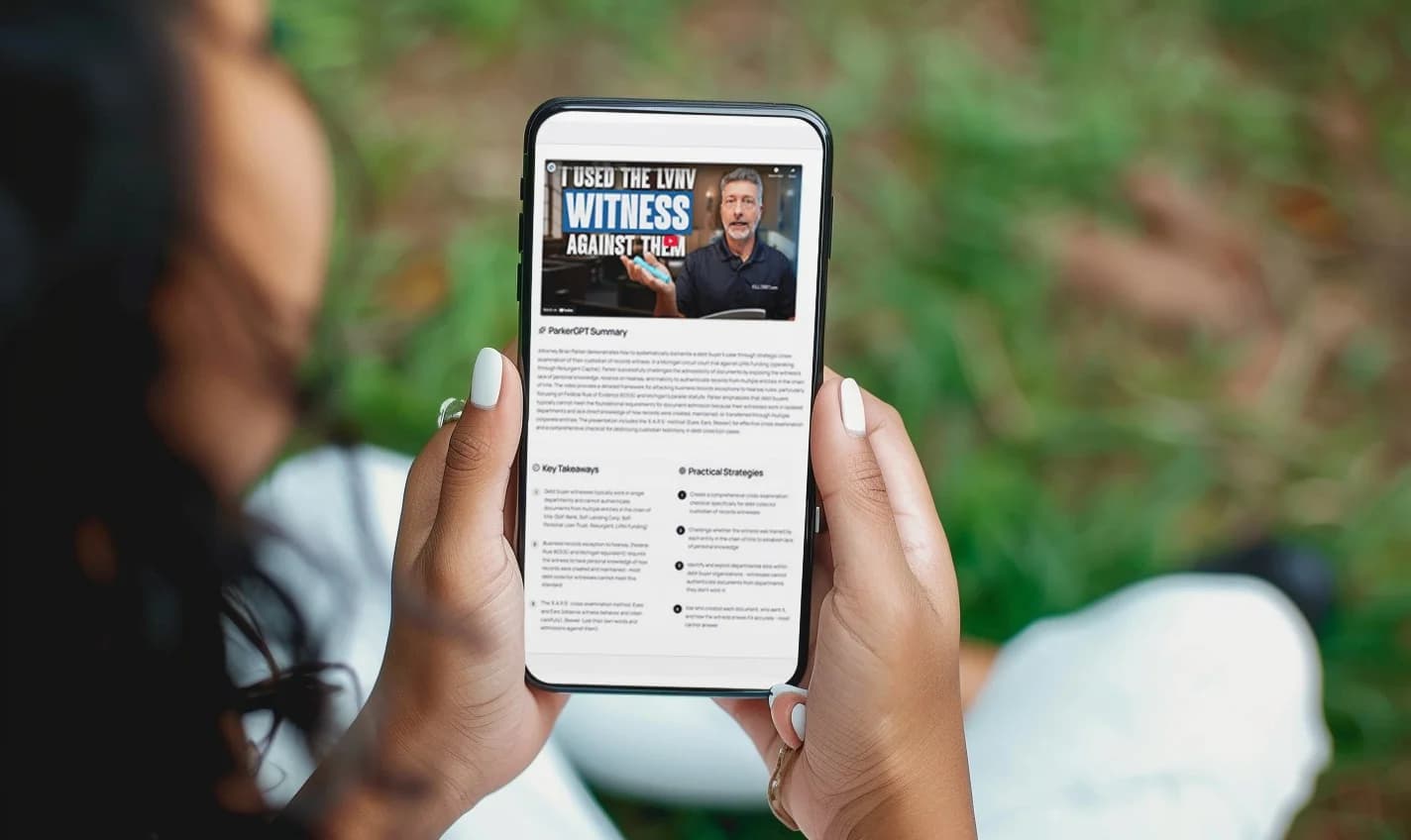
At KillDebt, we believe you shouldn't have to spend thousands on an attorney to defend your rights. Our DIY legal defense system is powered by ParkerGPT, an AI trained on real court strategies developed over 30 years by attorney Brian Parker. We analyze your lawsuit documents, identify weaknesses in the collector's case, and help you generate court-ready responses.
For those facing a day in court, our brand-new Court Tester provides an AI courtroom simulation. You can upload your filings and practice your arguments against an AI judge and opposing counsel, with a private AI co-counsel whispering strategy only you can see.
Don't let a collection account hold your future hostage. Start your debt defense today and see how our AI-driven tools can help you win.
Get started with KillDebt pricing
Important Legal Disclaimer
This educational content is based on general legal principles and my experience in debt collection defense. It is provided for informational purposes only and does not constitute legal advice. Laws vary by state and by local court. For specific legal advice, consult a qualified attorney licensed in your jurisdiction. No attorney-client relationship is created by reading this guide.
Critical Multi-State Variations: FDCPA applies uniformly at the federal level, but state consumer protection laws may provide additional rights and remedies. Statute of limitations periods vary significantly by state and debt type. What constitutes sufficient debt validation varies in practice across jurisdictions. State-specific rules on call frequency, written notice requirements, and permissible collector conduct may differ from federal minimums.

About the author
Brian Parker
I have over 30 years of experience defending consumers against debt collection lawsuits and have seen every tactic, threat, and pressure play that collectors use. Through KillDebt and ParkerGPT, I have systematized the proven defense strategies that actually work - so consumers can respond from a position of knowledge, not fear. My approach focuses on aggressive legal defense based on documented case success rather than false hope that leads to default judgments.