News Break
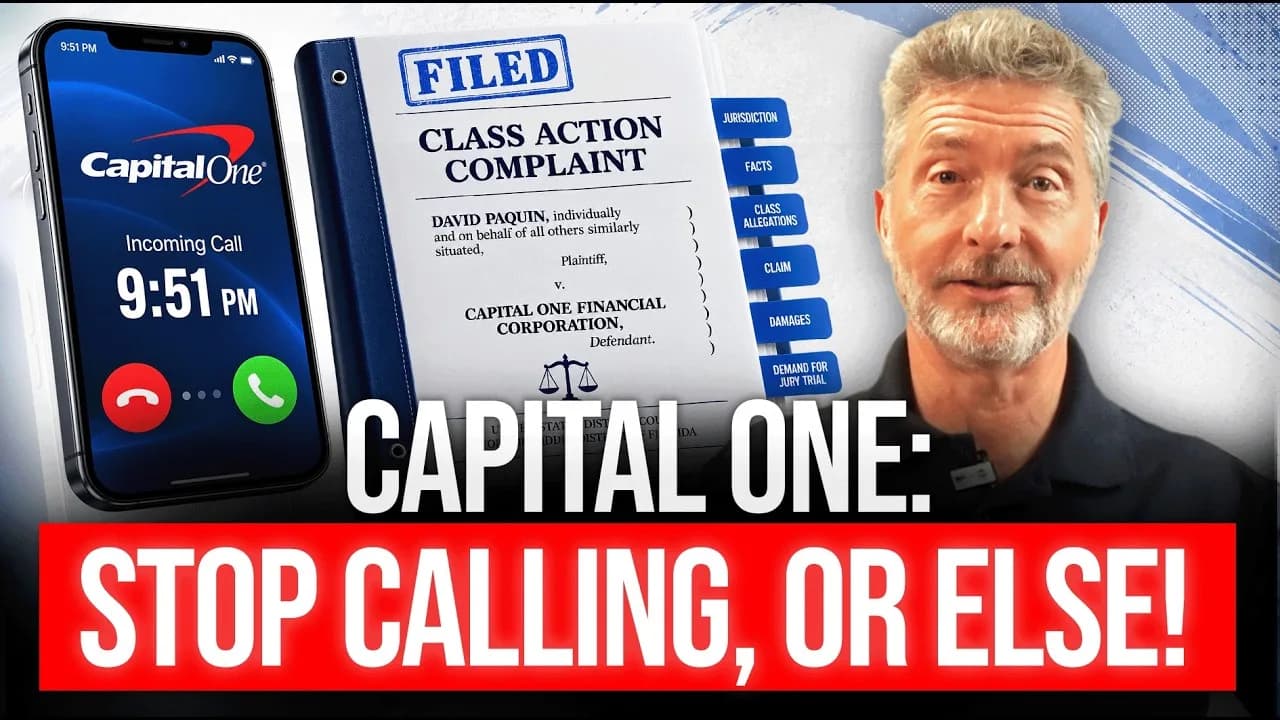
Two Late-Night Calls From Capital One Became a $5 Million Class Action
August 17, 2026
Blog / News Break
Debt buyers hide the forward flow agreement in every lawsuit. Learn what it is, why the bill of sale can't exist without it, and how to demand it to fight your case.
Quick answer: A forward flow agreement is the master contract a debt buyer signs with a lender to purchase batches of accounts on an ongoing basis, before you were ever sued. Debt buyers almost never attach it to a lawsuit, even though their own bill of sale usually says it was issued "pursuant to the terms and conditions" of that exact agreement. Because the bill of sale legally cannot exist without it, demanding the forward flow agreement in discovery is one of the most effective ways to challenge a debt buyer's standing to sue you.
A forward flow agreement is a standing contract between an original creditor (a bank, lender, or "buy now, pay later" company) and a debt buyer. It isn't a one-time sale. It's an ongoing arrangement: every month, the creditor agrees to sell a fresh batch of delinquent accounts to the buyer, under a fixed set of prices, terms, and warranties that both sides agreed to in advance.
Think of it as the rulebook that governs the entire relationship between the company that made the loan and the company now suing you over it. The bill of sale you might actually see in a lawsuit is just a receipt. The forward flow agreement is the contract that gives that receipt any meaning.
These agreements go by different names depending on the industry and the company involved:
Regardless of the label, they all function the same way: as the master document that authorizes and defines every individual sale that follows.
Debt buyers love to submit a bill of sale in court and say, "Here's the proof, we own this debt." But a bill of sale and a legal assignment of debt are not the same thing, and that distinction is written into the statute of frauds in a number of states.
Look closely at the language debt buyers actually use in their own bills of sale, and you'll typically find a sentence like one of these:
That phrase, pursuant to the terms and conditions, is doing a lot of work. It's an admission, in their own document, that a larger contract exists and that the bill of sale is subordinate to it. The bill of sale cannot stand on its own. It depends entirely on a document you were never shown.
There are three problems with relying on a bill of sale alone as proof of ownership:
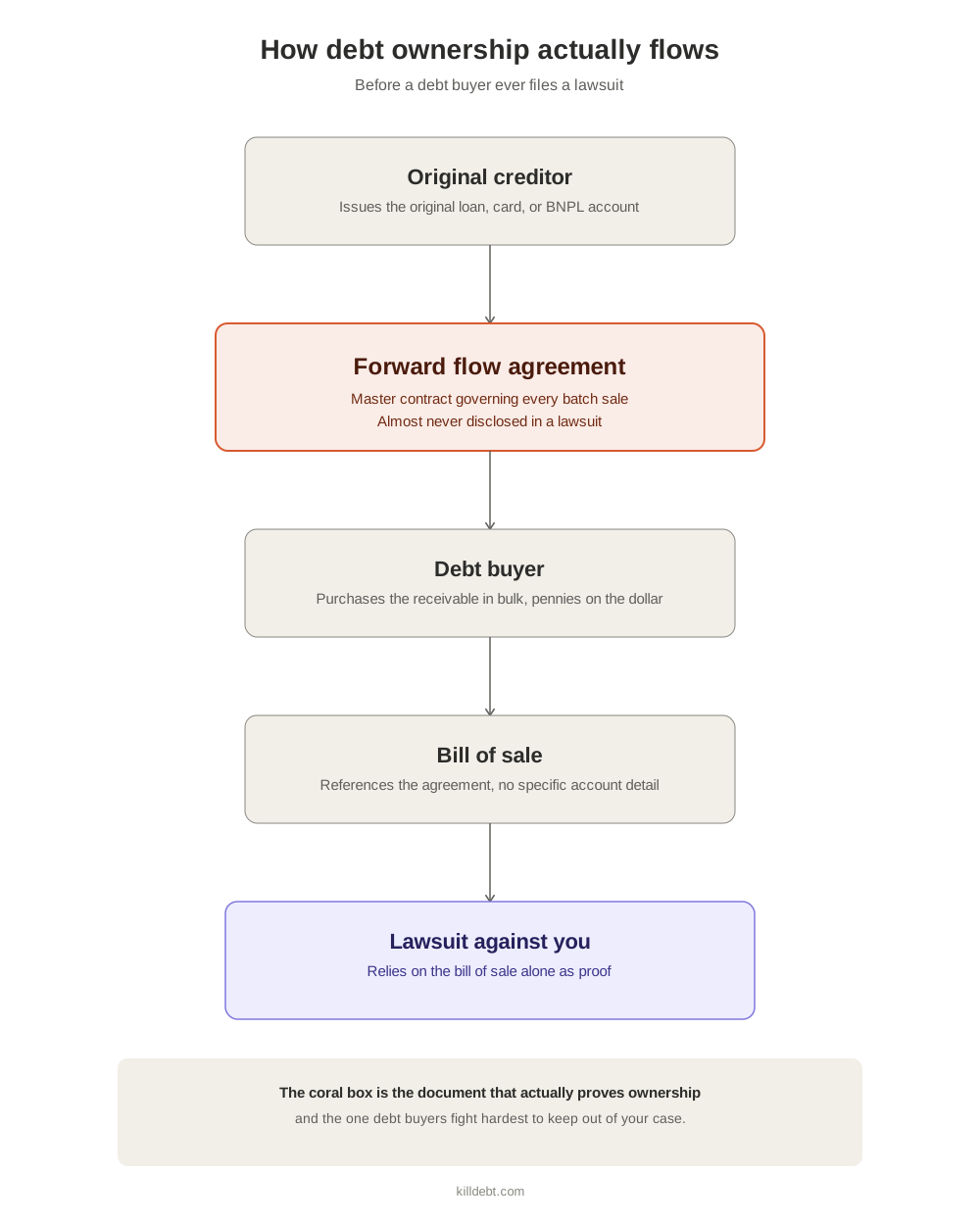
If the forward flow agreement is so central to proving ownership, why do debt buyers resist producing it? Three reasons come up consistently:
It's treated as confidential. Debt buyers and creditors treat these master agreements like trade secrets, because they reveal exactly what was paid, in bulk, for accounts like yours.
It typically contains disclaimers that undercut their own case. Bill of sale language often includes phrases like "executed without recourse" and states that "no other representation or warranty of title or enforceability is expressed or implied." In plain terms, the seller is saying: you can't sue us if this turns out to be wrong, and we're not promising we actually have clean title to this debt. That is not a confident statement of ownership. It's a disclaimer.
It exposes the broader business relationship. The forward flow agreement can reveal pricing, volume, and the original creditor's own knowledge of gaps in the data, information the debt buyer would rather keep out of any courtroom.
Because the bill of sale itself typically references the forward flow agreement by name, you don't have to guess whether one exists. The debt buyer's own paperwork tells you it does. That gives you a concrete, evidence-based basis to challenge their case.
Here's the sequence, step by step:
This isn't just an old-school debt collection issue. Forward flow agreements are the exact financial instrument now fueling much of the buy now, pay later industry. Large private credit firms pour billions of dollars into BNPL companies, agreeing in advance, through forward flow agreements, to purchase loans before those loans are even originated.
That structure has created what financial reporting has referred to as "phantom debt": a meaningful share of these loans is never reported to the credit bureaus, and in some cases, neither the original lender nor the private credit buyer has a complete, unified picture of what a borrower actually owes. If you're facing a debt lawsuit tied to a BNPL account or a loan portfolio sold to private credit investors, the forward flow agreement is arguably even more important to your defense, because it may be one of the only places the full terms and total debt picture actually exist on paper.
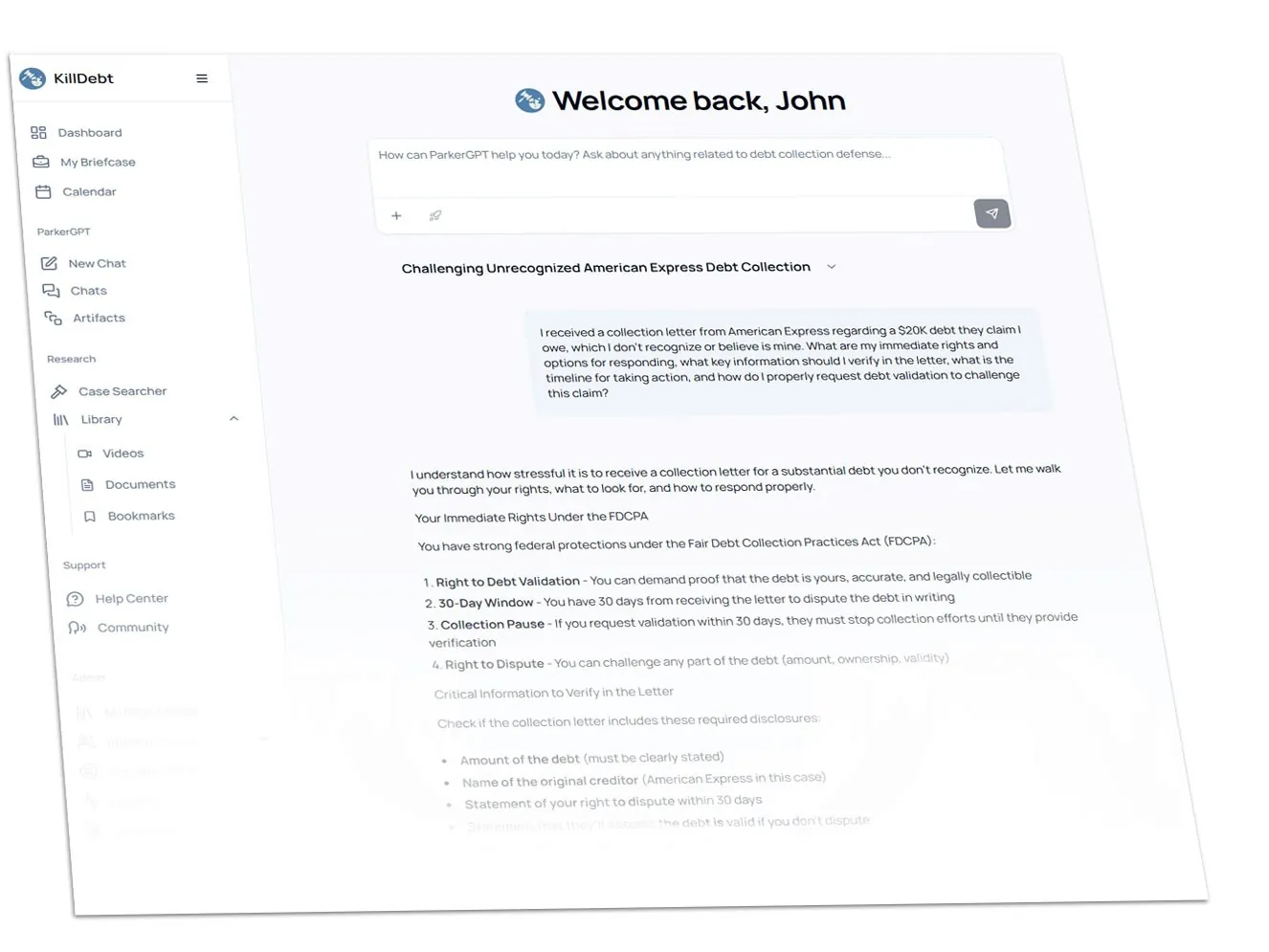
Identifying the forward flow agreement issue is only the first step. Building the actual answer, counter affidavit, discovery requests, and motions takes it further. That's where KillDebt's tools come in:

About the author
Brian Parker
I have over 30 years of experience defending consumers against debt collection lawsuits and have seen every tactic, threat, and pressure play that collectors use. Through KillDebt and ParkerGPT, I have systematized the proven defense strategies that actually work - so consumers can respond from a position of knowledge, not fear. My approach focuses on aggressive legal defense based on documented case success rather than false hope that leads to default judgments.