What Immediate Steps Should You Take After Being Served with a Debt Lawsuit?

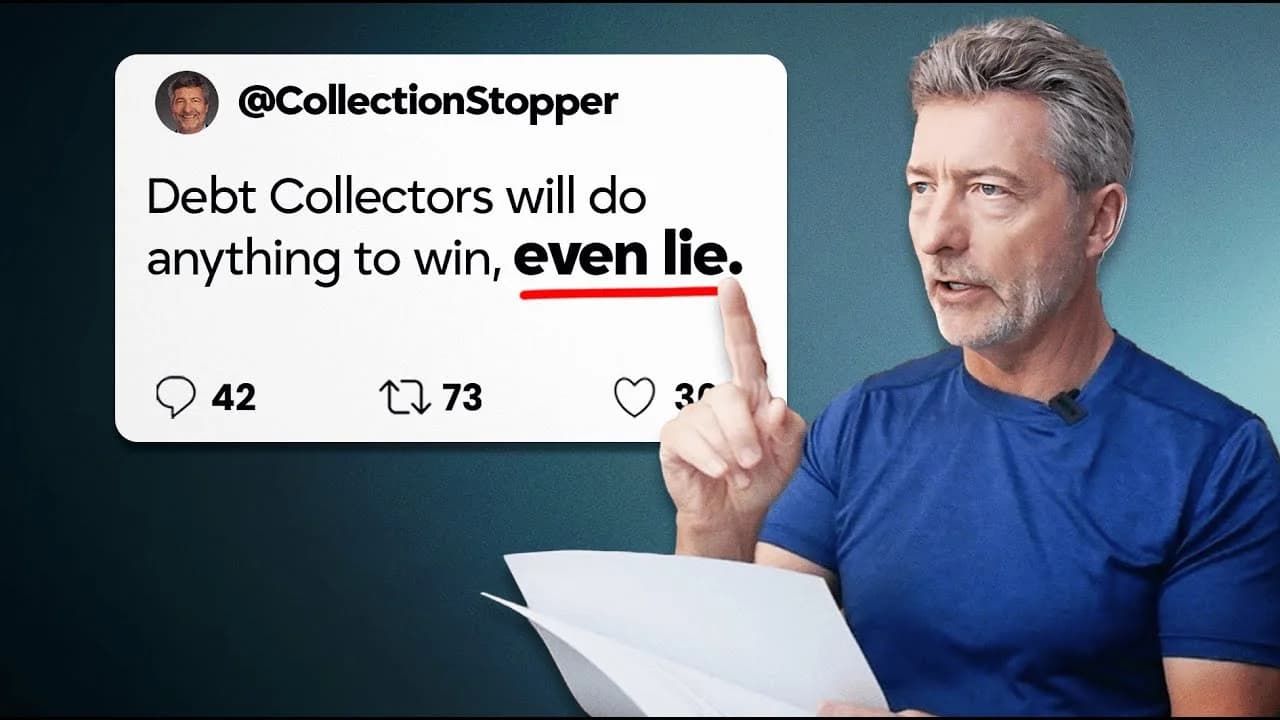
Receiving a summons for a debt collection lawsuit is serious, but your immediate actions can change the outcome. The most important rule: Do not ignore it. Debt collectors rely on your inaction to win by default.

Follow these steps immediately:

  1. Recognize the Urgency: This is a formal court action with a strict legal deadline.

  2. Identify Key Details: Find the court name, case number, and the response deadline. Mark this date clearly.

  3. Gather Documentation: Collect contracts, payment records, and previous correspondence. This is your evidence.

  4. Limit Communication: Avoid direct contact with the collector. Do not admit to the debt or make payment promises without a strategy.

  5. Seek Guidance: Research your rights. KillDebt provides the tools to help you navigate this process.

For a deeper dive, see our guide on what to do when sued by a debt collector.

Why is Ignoring a Debt Lawsuit So Dangerous?

Ignoring a lawsuit leads to a default judgment, meaning the collector wins automatically. They don't have to prove you owe a dime.

Consequences include:

  • Wage Garnishment: Direct seizure of pay from your employer.

  • Bank Account Freezes: Loss of access to your funds.

  • Property Liens: Claims against your home or car.

  • Credit Damage: A judgment severely harms your credit score for years.

Statistics show that 70% to 90% of defendants fail to respond, handing collectors an easy victory. Don't be part of that statistic. Learn more about what happens after summons.

How Much Time Do You Have to Respond to a Debt Lawsuit, and What Are the Consequences of Missing the Deadline?

The clock starts ticking the moment you are officially served with a debt collection lawsuit. The amount of time you have to respond is critical and varies depending on your state and the specific court.

  • In Florida, you typically have 20 calendar days from the date you were served to file your Answer with the court.

  • In Michigan, the response deadline is usually 21 to 28 days, depending on the court and method of service.

It is absolutely crucial to locate this deadline on your summons and mark it immediately. Missing this deadline, even by a single day, can lead to a default judgment against you.

What is a Default Judgment and Why is it Dangerous?

A default judgment is a court order issued against you when you fail to respond to a lawsuit. It means the court automatically rules in favor of the debt collector, granting them everything they asked for in their complaint. This can happen even if the debt collector's paperwork contains errors or if they don't actually have sufficient evidence to prove the debt.

As we discussed, the financial repercussions are severe. A default judgment empowers the debt collector to:

  • Garnish your wages: Take money directly from your paycheck.

  • Levy your bank accounts: Freeze and seize funds from your bank.

  • Place liens on your property: Put a claim on your assets, such as your home or car.

These actions can significantly disrupt your life and financial stability. This is why a timely and proper response is not just important—it's essential for protecting your assets.

For more information on these critical deadlines, refer to our guide on the time to respond to a debt collection lawsuit.

How Do You File an Answer to a Debt Lawsuit, and What Should It Include?

An "Answer" is your formal response to the court. It prevents a default judgment and forces the collector to prove their case.

Your Answer should:

  1. Respond to Allegations: For every numbered paragraph in the Complaint, you must Admit, Deny, or state you lack sufficient knowledge (which acts as a denial). We recommend denying any claim you aren't 100% certain of to keep the burden of proof on the plaintiff.

  2. Include Affirmative Defenses: These are legal reasons you aren't liable. You must include them now or risk losing the right to use them later.

  3. File and Serve: File the original with the court clerk and send a copy to the collector's attorney via a verifiable method like certified mail.

KillDebt's AI platform generates court-ready Answers tailored to your case. See a sample Answer to a debt collection lawsuit for reference.

What Are the Most Effective Legal Defenses Against Debt Collectors?

Common affirmative defenses include:

  • Statute of Limitations: If the debt is too old (typically 5 years in Florida or 6 years in Michigan), the case should be dismissed.

  • Lack of Standing: Debt buyers often lack the original contract or a clear "chain of title" proving they own your specific debt.

  • Improper Service: If you weren't served according to state rules, the court may lack jurisdiction.

  • Identity Theft: If the debt isn't yours, this is a complete defense.

  • Incorrect Amount: Challenging inaccurate interest, fees, or missing payments.

  • FDCPA Violations: Abusive tactics can be used as counterclaims for damages.

  • Arbitration: Moving the case to private arbitration can increase the collector's costs and your leverage.

For more, consult Michigan Legal Help's guide or our debt lawsuit defense guide.

Should You Hire a Lawyer or Defend Yourself Pro Se?


person weighing options lawyer vs DIY - defend my debt

Choosing between a lawyer and self-representation ("pro se") is a major decision. Lawyers offer expertise but come with high costs. Pro se defense saves money but requires navigating complex rules.

KillDebt offers a middle ground: AI-driven tools that provide legal strategy without the attorney price tag.

Feature

Hiring a Lawyer

AI-Assisted Pro Se (KillDebt)

Cost

High (hourly/retainers)

Low (subscription)

Expertise

Direct representation

AI legal analysis

Time

Minimal for you

Moderate (review/filing)

Documents

Handled by lawyer

AI-generated, court-ready

Strategy

Provided by lawyer

AI simulation & co-counsel

Control

Limited

Full

Read more: Do I Need a Lawyer for a Debt Collection Lawsuit?

How Can KillDebt's AI Tools Support Your Defense?

  • ParkerGPT: Analyzes your lawsuit documents using 30+ years of consumer law expertise to identify weaknesses and suggest defenses.

  • Court Tester: Our new AI courtroom simulation. Practice your arguments against an AI judge and opposing counsel while an AI co-counsel provides real-time strategy.

  • Case Searcher: Tracks your case status to ensure you never miss a court update.

  • Step-by-Step Guidance: Clear instructions for filing and serving documents correctly.

With KillDebt, you gain the intelligence needed to fight back confidently.

How Does the FDCPA Protect You in Debt Collection Lawsuits?

The Fair Debt Collection Practices Act (FDCPA) is a federal law that protects consumers from abusive, deceptive, and unfair debt collection practices. It applies to third-party debt collectors, not typically to original creditors. Understanding your rights under the FDCPA is a powerful tool in defending your debt.

The FDCPA prohibits collectors from:

  • Harassment: Repeatedly calling, using obscene language, or threatening violence.

  • False Statements: Misrepresenting the amount of debt, claiming to be an attorney if they are not, or threatening arrest.

  • Unfair Practices: Collecting interest or fees not authorized by the original agreement or law, or depositing a post-dated check early.

  • Improper Communication: Calling you before 8 a.m. or after 9 p.m. local time, or contacting you at work if they know your employer prohibits it.

Your rights under the FDCPA include:

  • Right to Dispute: You can dispute the debt in writing within 30 days of receiving a validation notice.

  • Right to Stop Contact: You can demand in writing that a collector stop contacting you.

  • Right to Request Validation: The collector must provide written verification of the debt, including the amount, the original creditor, and your right to dispute.

If a debt collector violates the FDCPA, you can use these violations as leverage in your defense or even file a counterclaim against them. Successful FDCPA claims can result in statutory damages of up to $1,000 per violation, plus actual damages and attorney fees. This can sometimes lead to the debt being dismissed or significantly reduced.

To learn more about your rights, read our detailed explanation of the FDCPA.

What Happens After You File Your Answer, Including Discovery and Trial?

Filing your Answer is a crucial first step, but it's just the beginning of the legal process. Here's what typically follows:

  1. The Discovery Phase: This is a period where both sides gather information and evidence. It can involve:

    • Interrogatories: Written questions that the other side must answer under oath.

    • Requests for Production of Documents (RFPs): Demands for specific documents, such as the original contract, payment history, and proof of the debt's ownership. This is particularly important when dealing with third-party debt buyers who often lack the complete documentation.

    • Depositions: Out-of-court sworn testimony taken from witnesses. Demanding proof of ownership and the original contract during discovery is often where debt collectors—especially debt buyers—fail, as their records are frequently inadequate.

  2. Pre-Trial Conferences and Mediation: The court may schedule conferences to discuss the case's progress, explore settlement options, or order mediation, where a neutral third party helps both sides try to reach an agreement.

  3. Preparing for Trial: If no settlement is reached, the case will proceed to trial. This involves presenting your evidence, calling witnesses, and making legal arguments to the judge (or jury, though debt collection cases rarely go to a jury trial).

Preparing for these stages can be intimidating, but our tools are designed to help. KillDebt's Court Tester can be particularly valuable during this phase. You can use it to practice your arguments for motions or even simulate aspects of a trial, honing your strategy against an AI judge and opposing counsel, with the private guidance of your AI co-counsel.

For a comprehensive overview of the entire process, refer to our debt collection lawsuit timeline.

How Can You Negotiate a Settlement or Get Your Debt Lawsuit Dismissed?

Successfully defending your debt often leads to opportunities for negotiation or even outright dismissal.

Negotiating a Settlement: Once you've filed your Answer and demonstrated your willingness to fight, you gain significant leverage. Debt collectors often prefer to settle rather than incur the costs and risks of litigation. You can negotiate directly with the debt collector's attorney to:

  • Pay a Reduced Amount: Offer a lump sum or a payment plan for less than the full amount owed.

  • "Pay-for-Delete" Agreements: In some cases, you might negotiate for the collection account to be removed from your credit report in exchange for payment (though debt collectors are not legally obligated to agree to this).

  • Get it in Writing: ALWAYS ensure any settlement agreement is in writing, signed by both parties, and clearly states that the debt is considered "paid in full" or "settled" for the agreed-upon amount.

Strategies for Dismissal: The ultimate goal for many is to get the lawsuit dismissed. This can happen if:

  • Successful Affirmative Defenses: If you successfully prove a defense like the statute of limitations or lack of standing, the court may dismiss the case.

  • Lack of Evidence from Plaintiff: If the debt collector cannot provide sufficient evidence (e.g., the original contract, full payment history) during discovery, they may choose to dismiss the case themselves rather than proceed to trial.

  • Dismissal with Prejudice: Aim for a "dismissal with prejudice," which means the debt collector is legally barred from ever suing you again for that specific debt. A "dismissal without prejudice" means they could potentially refile the lawsuit later.

By actively defending the lawsuit, you force the debt collector to prove their case, which often exposes weaknesses and provides you with the leverage needed for a favorable settlement or dismissal.

Can You Vacate a Default Judgment If One Has Already Been Entered?

If a default judgment has already been entered against you because you missed the deadline to respond, don't despair—it might still be possible to have it "vacated" (set aside). However, this is a more challenging process and requires immediate action.

To vacate a default judgment, you typically need to file a "Motion to Vacate Default Judgment" with the court. The grounds for vacating a judgment vary by state but commonly include:

  • Improper Service: If you can prove you were never properly served with the lawsuit documents, the judgment might be set aside. This is a common and strong argument.

  • Excusable Neglect: This means you had a reasonable excuse for failing to respond (e.g., a serious illness, an emergency, or a genuine misunderstanding of the legal process).

  • Mistake, Inadvertence, Surprise, or Fraud: If the judgment was obtained through fraud or a genuine mistake.

  • Meritorious Defense: You must also show the court that you have a valid defense to the original lawsuit (e.g., the debt is time-barred, or you don't owe it).

The Importance of Acting Quickly: There are strict deadlines for filing a motion to vacate, often within a few months to a year after the judgment was entered. The longer you wait, the harder it becomes to succeed.

If you find yourself in this situation, immediate action is paramount. Our tools can help you understand the requirements for filing such a motion in Florida or Michigan and guide you through the process.

For more information on fighting back even after a judgment, see our comprehensive guide on how to fight a debt collection lawsuit.

Why Active Defense is Superior to Passive Debt Relief Programs

Some "debt relief" programs suggest ignoring lawsuits while they negotiate. This is dangerous. Passive strategies often lead to default judgments and garnishment before any settlement is reached.

Active defense is superior because:

  • Prevents Defaults: Filing an Answer stops the automatic win for the collector.

  • Maintains Control: You protect your rights rather than hoping a third party acts in time.

  • Increases Leverage: Forcing a collector to prove their case often leads to better settlements or dismissals.

  • Empowerment: You learn the process and make informed decisions about your financial future.

Defending your rights in court is the most effective way to stop aggressive tactics and achieve a favorable outcome.

Defending Your Debt vs. Filing for Bankruptcy

Bankruptcy is a major step with long-term consequences. Defending a lawsuit is often a better first choice if your debt is manageable.

Why Defense May Be Better:

  • Lower Credit Impact: A dismissal or settlement is far less damaging than a bankruptcy, which stays on your record for 7-10 years.

  • Potential for Zero Payment: If you win on a defense like the statute of limitations, you owe nothing.

  • Asset Protection: You may avoid the risk of liquidating assets required in some bankruptcy filings.

When Bankruptcy is Necessary:

  • If you have overwhelming debt across many creditors with no path to repayment, bankruptcy’s "automatic stay" can provide immediate, comprehensive relief.

Successfully defending a lawsuit can often resolve your most urgent financial threats without the need for the broad impact of bankruptcy.

What Free Resources and Tools Are Available for Self-Represented Defendants?

You don't have to go it alone. Several resources support pro se litigants:

  • Court Self-Help Centers: Florida and Michigan courts provide centers to help with procedures and forms (though they cannot give legal advice).

  • Law Libraries: Public law libraries offer access to statutes and case law. Librarians can help you find research materials.

  • Legal Aid Organizations: Non-profits like Legal Services of North Florida or Legal Aid of Western Michigan provide free help to those who qualify based on income.

  • Consumer Agencies: The CFPB and FTC offer extensive guides on debt collection rights and scam prevention.

  • Online Research: Sites like Justia and FindLaw provide free access to state and federal laws.

  • KillDebt Blog: Our educational platform offers comprehensive guides on every stage of debt defense.

Combining these resources with KillDebt’s AI tools gives you a robust defense strategy.

Conclusion


person looking relieved and empowered - defend my debt

Defending a debt lawsuit can seem daunting, but with the right knowledge and tools, you can effectively protect your rights and finances. The debt collector is counting on your inaction. By understanding the process, knowing your defenses, and utilizing available resources—including innovative AI-powered platforms like KillDebt—you can turn the tide in your favor. Don't let fear lead to a default judgment; take control and defend your debt the right way. We are here to empower you every step of the way.

Get started with KillDebt pricing

Important Legal Disclaimer

This educational content is based on general legal principles and my experience in debt collection defense. It is provided for informational purposes only and does not constitute legal advice. Laws vary by state and by local court. For specific legal advice, consult a qualified attorney licensed in your jurisdiction. No attorney-client relationship is created by reading this guide.

Critical Multi-State Variations: FDCPA applies uniformly at the federal level, but state consumer protection laws may provide additional rights and remedies. Statute of limitations periods vary significantly by state and debt type. What constitutes sufficient debt validation varies in practice across jurisdictions. State-specific rules on call frequency, written notice requirements, and permissible collector conduct may differ from federal minimums.

About Brian Parker

I have over 30 years of experience defending consumers against debt collection lawsuits and have seen every tactic, threat, and pressure play that collectors use. Through KillDebt and ParkerGPT, I have systematized the proven defense strategies that actually work - so consumers can respond from a position of knowledge, not fear. My approach focuses on aggressive legal defense based on documented case success rather than false hope that leads to default judgments.

Frequently Asked Questions (FAQ)

What if I know I owe the debt? Should I still respond to the lawsuit?

Yes, absolutely. Responding forces the collector to prove they have the legal right to sue you and that the amount is accurate, while protecting you from an automatic default judgment. Even if you owe the debt, you might still be able to settle for less, discover errors in their claim, or find that the debt is time-barred. Ignoring the lawsuit means you lose all these opportunities and guarantee a loss.

Can debt collectors take my wages or freeze my bank account?

Yes, if they obtain a default judgment or win their lawsuit, they can pursue wage garnishment, bank account levies, or property liens, depending on your state's laws. This is why responding to the lawsuit is critical. In Florida and Michigan, specific laws govern these actions, but a judgment opens the door for collectors to pursue them. For more details on this, visit our article on Can Debt Collectors Take My Wages and Bank Account.

How much does it cost to defend a debt lawsuit?

The cost varies significantly. Hiring an attorney can be expensive, often ranging from several hundred to several thousand dollars, sometimes more than the debt itself. Defending yourself pro se involves court filing fees (which can sometimes be waived if you qualify) and the cost of AI tools like KillDebt. We offer a more affordable and accessible alternative to full legal representation, providing high-quality guidance and document generation at a fraction of the cost.